Ghana Face Panama in World Cup Group L Opener Shadowed by Partey Absence
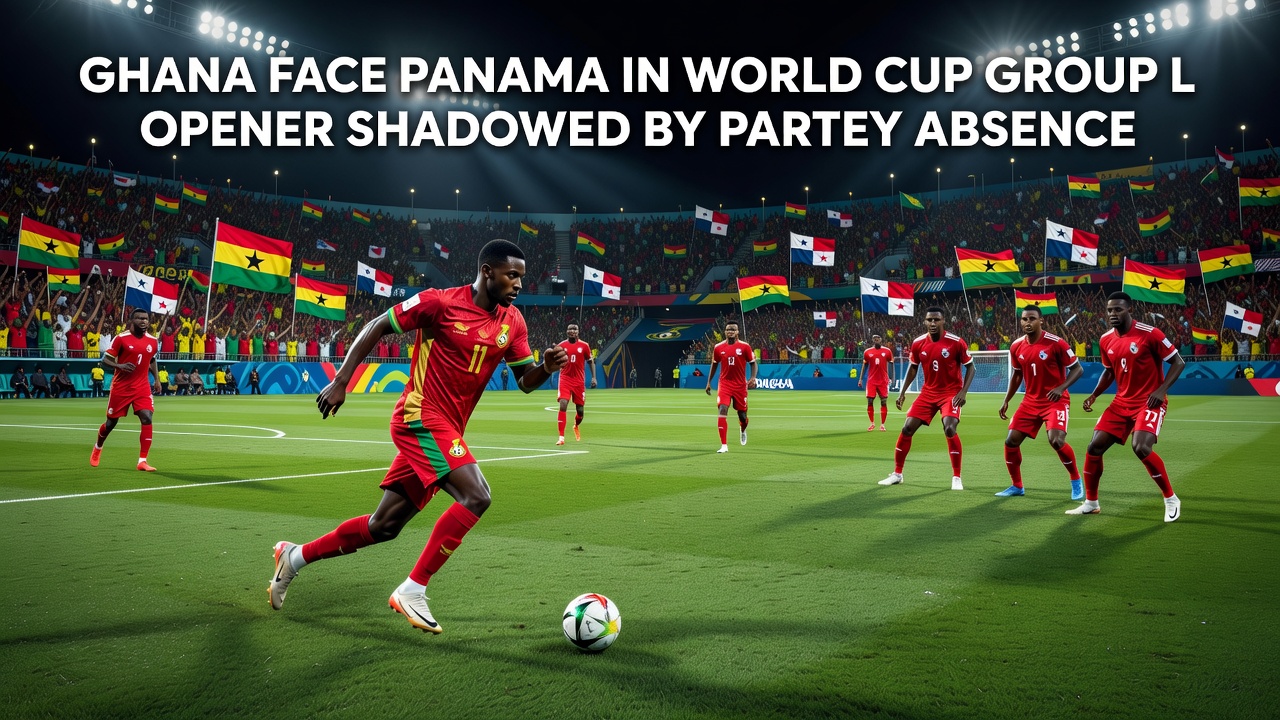
Ghana and Panama meet in their 2026 FIFA World Cup Group L opener on Wednesday, June 17, in a fixture that carries genuine weight for both nations despite their contrasting levels of tournament experience. For the Black Stars, it represents a chance to reassert themselves on the global stage. For Panama, it is only their second appearance at a World Cup, and the occasion demands to be treated accordingly.
The build-up to this match has been unavoidably dominated by the absence of Thomas Partey, Ghana's most influential central midfielder, who was denied entry to the United States following allegations of sexual assault made against him in London. Ghana's football federation has not made any official statement disputing the circumstances, and the player's absence is simply a fact the technical staff must now work around. It is a significant loss by any measure - Partey's experience, physicality, and ability to control tempo from deep have been central to how Ghana have set up at major tournaments. Organising around that gap is one of the genuine tactical questions facing the coaching staff heading into this group stage. Separately, for those interested in how football's crossover sports shape fan engagement, futsal betting markets have grown considerably in West Africa and Central America in recent years, reflecting the region's deepening connection to football culture at all levels.
Semenyo Carries the Burden of Expectation for Ghana
With Partey unavailable, the creative and attacking burden shifts noticeably toward Antoine Semenyo, the winger who has established himself as one of the most exciting wide players in the Premier League over the past season. His pace, directness, and ability to carry the ball in transition are exactly the kind of weapons that can unsettle a structured defensive side on a big occasion. At 25, Semenyo is reaching the sort of form that demands a World Cup stage, and this tournament represents an opportunity for him to announce himself to a genuinely global audience. Ghana will need him to be decisive, particularly in the early exchanges where the energy of a tournament opener can swing a game before either side settles into their shape.
Panama's Moment - and Why It Should Not Be Underestimated
Panama's 2018 World Cup debut in Russia was a learning experience rather than a competitive one - they did not win a match - but the programme has developed since then, and simply reaching a second tournament is evidence of sustained progress within CONCACAF qualifying. The Canaleros are not a side that will impose themselves through individual quality, but they are organised, hard to break down, and carry the collective belief that comes with knowing they have earned their place at the table. Ghana will be favoured by most observers based on pedigree and individual talent, but Panama's compact shape and willingness to absorb pressure before hitting on the counter makes them genuinely awkward opponents. In a 48-team tournament where the group stage has expanded, any assumption of easy points is a dangerous one.
What Is at Stake in the Expanded 2026 Format
The 2026 World Cup is the largest in the competition's history, with 48 nations competing across 16 host cities spread over the United States, Canada, and Mexico. The expanded format means more teams advance from the group stage, but that arithmetic also means early dropped points are harder to recover from in terms of seeding and knockout positioning. For Ghana, a team with the history and quality to reach the knockout rounds, getting the group stage right - starting with Wednesday's opener - is foundational. A positive result here could set the tone for what follows. A stumble against Panama would immediately complicate their path and intensify the scrutiny already surrounding the Partey situation. This is one of those first matches where context makes the result matter more than the fixture itself might suggest on paper.